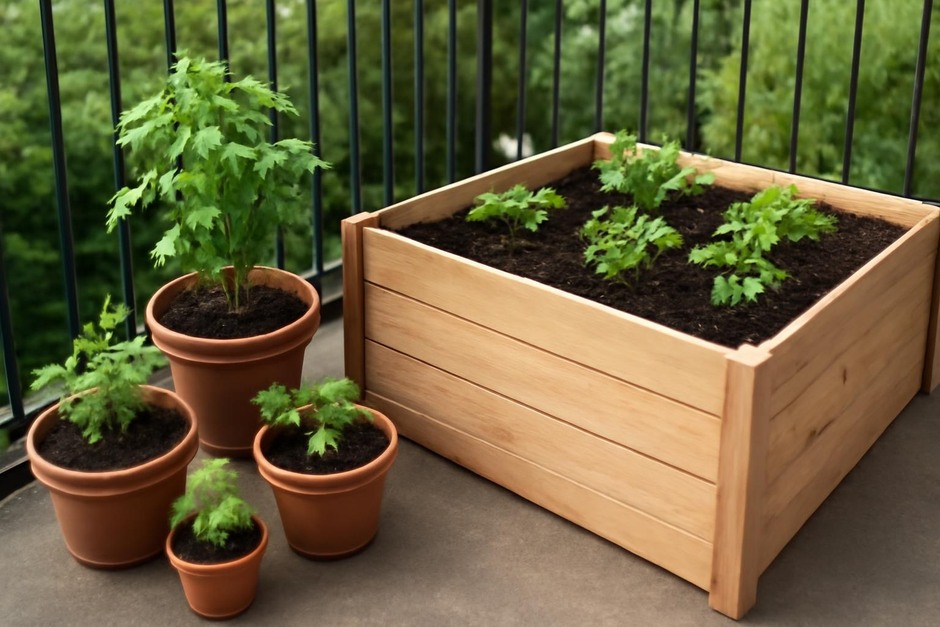
Container Gardening or Raised Beds? A Practical Guide to Choosing a Small Vegetable Garden
For a small home garden, the choice between container gardening and raised beds shapes everything from what you can grow to how often you water. This article compares the two approaches through practical principles and compact examples, then offers clear guidance on which to choose based on common constraints such as space, physical ability, and plant selection.
Two approaches, one goal
Both container gardening and raised beds make productive use of limited space while improving soil control and accessibility compared with in-ground beds. The difference lies in how they manage three core factors: soil volume and depth, drainage and moisture retention, and the microclimate around roots and foliage.
Soil volume and root depth
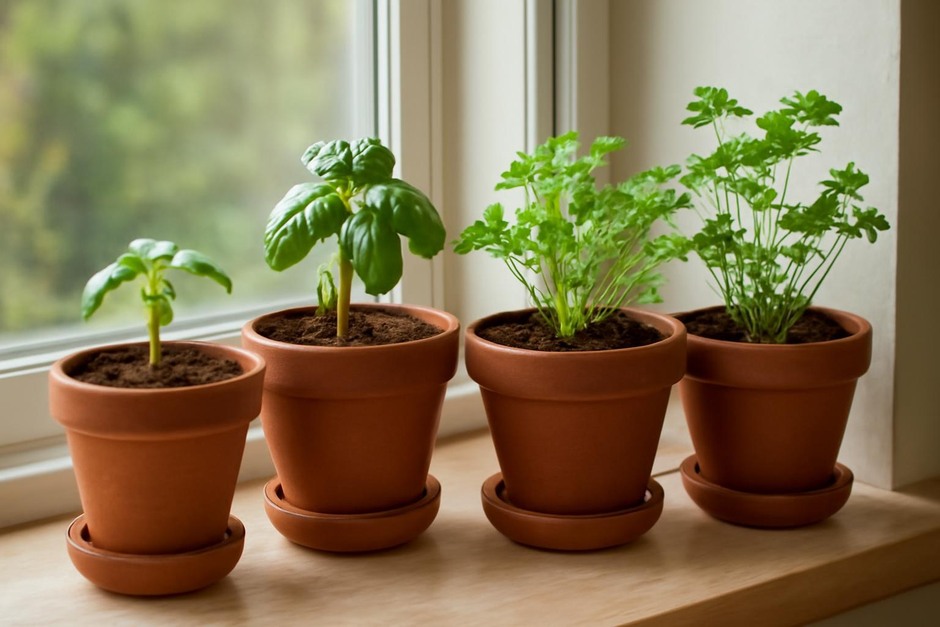
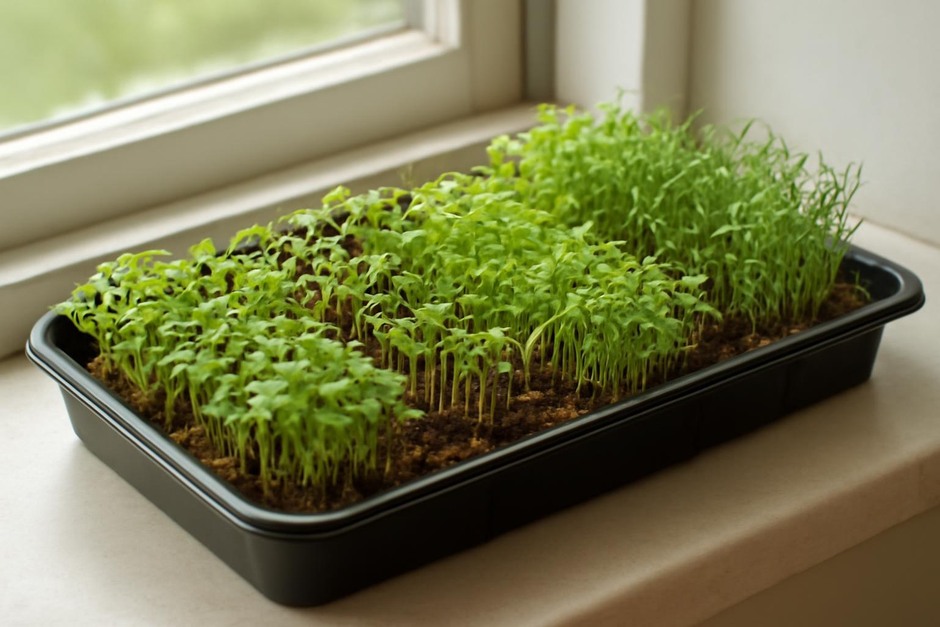
Containers are defined by limited soil volume. A deep fabric or plastic pot of 20–25 liters works well for a single tomato or pepper; a shallow window box (10–15 cm deep) suits salad leaves and herbs. Containers force you to match plants to soil depth: carrots and beets need deeper pots or specialized deep containers to develop properly.
Raised beds offer larger continuous soil volumes. A standard 30–45 cm deep raised bed accommodates a broad range of vegetables—root crops, brassicas, and sprawling squashes—because roots can spread both down and sideways. The larger soil mass also buffers temperature swings and dries out more slowly.
Drainage, watering, and moisture
Containers generally drain faster because of their exposed sides and limited soil mass. That is an advantage for avoiding waterlogged roots but requires more frequent watering in warm weather. In contrast, raised beds retain moisture better and need less daily attention once established, especially if mulched.
Example: a 20L pot with a cherry tomato may need daily watering during midsummer, while the same plant in a 40 cm-deep raised bed will usually be fine with watering every two to three days.
Microclimate and temperature
Containers warm up and cool down faster. That can extend your growing season if you move pots into sun or protect them on cool nights, but it can also stress plants during heat waves. Raised beds warm faster in spring than in-ground plots but remain more stable through heatwaves because of their greater soil mass.
Mobility, cost and permanence
Containers are mobile and scalable. You can rearrange them for sun, shade, or aesthetics, and start with just a few pots. They are usually cheaper to begin with if you start small. Raised beds require more upfront work—wood, screws, soil mix—but are more permanent and can be more cost-effective per growing area in the long run.
Small examples to illustrate choices
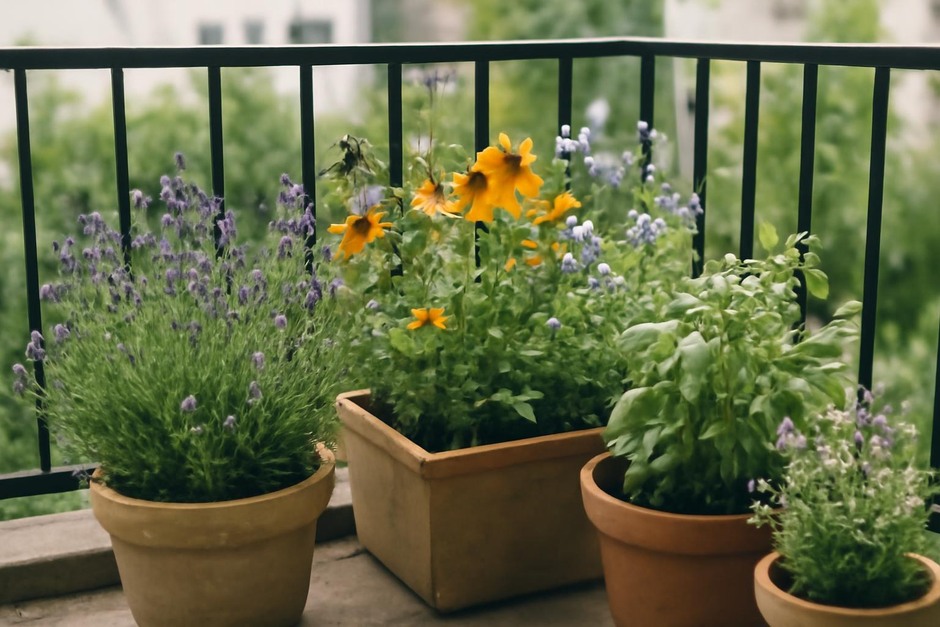
- Herb balcony: A 60 cm window box (12–15 cm deep) with mint, chives and parsley. Minimal soil depth, easy reach, and frequent light watering.
- Salad and radishes: A 20–25 cm deep raised planter or tiered container allows mixed sowing and staggered harvests; radishes can mature in shallow rows while baby leaves share the bed.
- Tomatoes and peppers: Use a 20–25 L container per plant if mobility and seasonal rearrangement matter; use a 40+ cm raised bed if you want to plant several together with companion herbs.
- Carrots and potatoes: Prefer a 30–45 cm raised bed or a deep grow bag; shallow pots will restrict root development and reduce yields.
Choosing between containers and raised beds: practical guidance
Answer the following questions to identify the best approach for your situation.
1. How much space do you have?
- If you have only a balcony or a few square metres, containers or window boxes are the natural choice.
- If you have a small yard or patio and can dedicate a narrow strip, a raised bed gives more productive area per unit of effort.
2. What will you grow?
- Choose containers for herbs, small salad mixes, and a few dwarf tomatoes or peppers.
- Choose raised beds for root crops, brassicas, and mixed plantings that benefit from shared soil volume.
3. How much time can you commit?
- Containers need more frequent watering and occasional repotting; they suit gardeners who enjoy daily checks.
- Raised beds require less day-to-day attention once mulched and planted, making them better for lower-maintenance routines.
4. What are your physical constraints?
- Raised beds can be built at waist height to reduce bending; containers are ideal for very limited mobility since they can be placed on tables or stands.
5. Budget and permanence
- Start with a few containers if budget or commitment is uncertain. If you enjoy it and want a larger, long-term plot, invest in a raised bed for better value per square metre.
Final principle: match plants to the environment
Rather than favoring one method universally, think in terms of matching plant needs to soil depth, moisture habits, and sun exposure. Use containers when you need mobility, precise soil control, or want to make the most of a balcony. Choose raised beds when you seek higher productivity, easier watering rhythms, and the ability to grow deeper-rooted crops.
Small-scale gardening rewards experiments: try a pilot setup—a couple of pots and a short raised bed—observe how they perform through a season, then expand the approach that fits your daily life and culinary goals.